
Last updated September 10, 2026
Full 25-point door and opener safety check with every visit - springs, cables, rollers, tracks, and your LiftMaster or Chamberlain opener included
You get a price before we start. It does not change when the truck arrives.
 Before
 After
After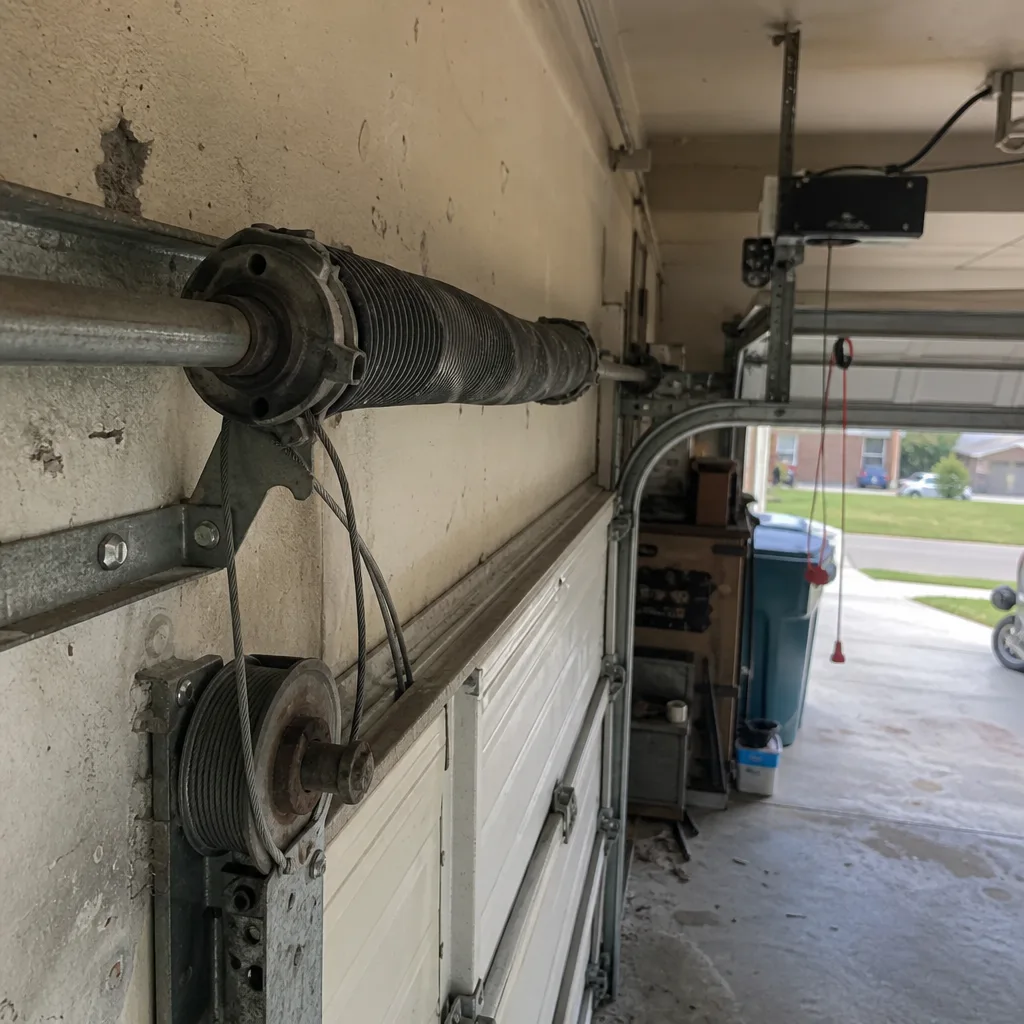 Before
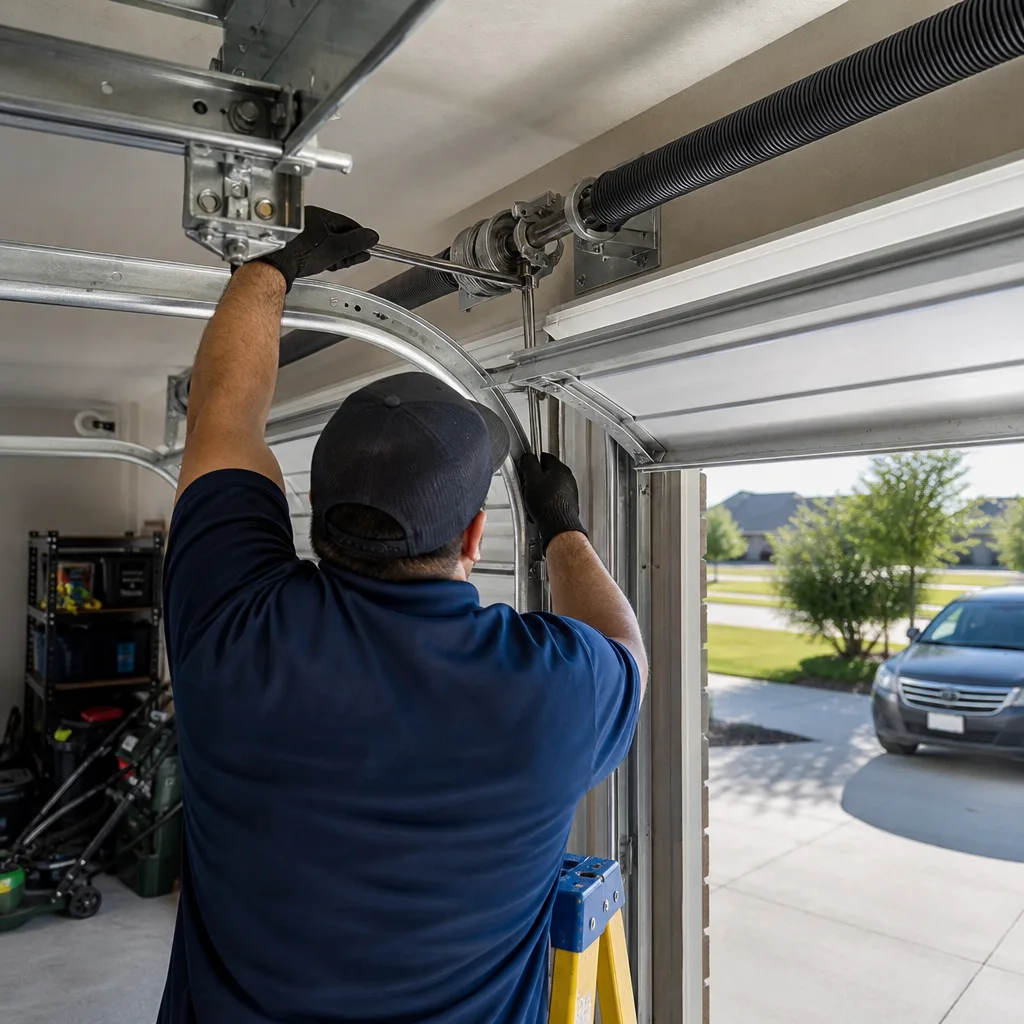 After
After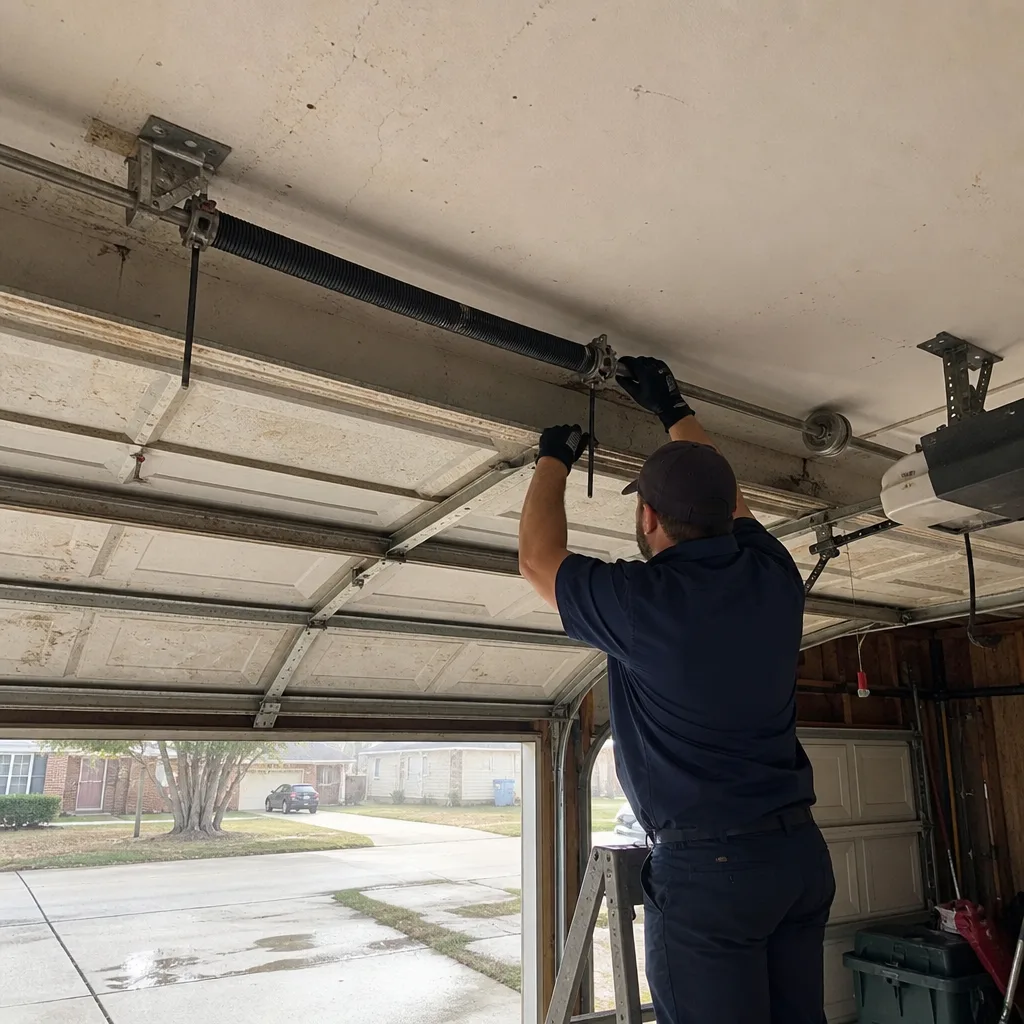 Before
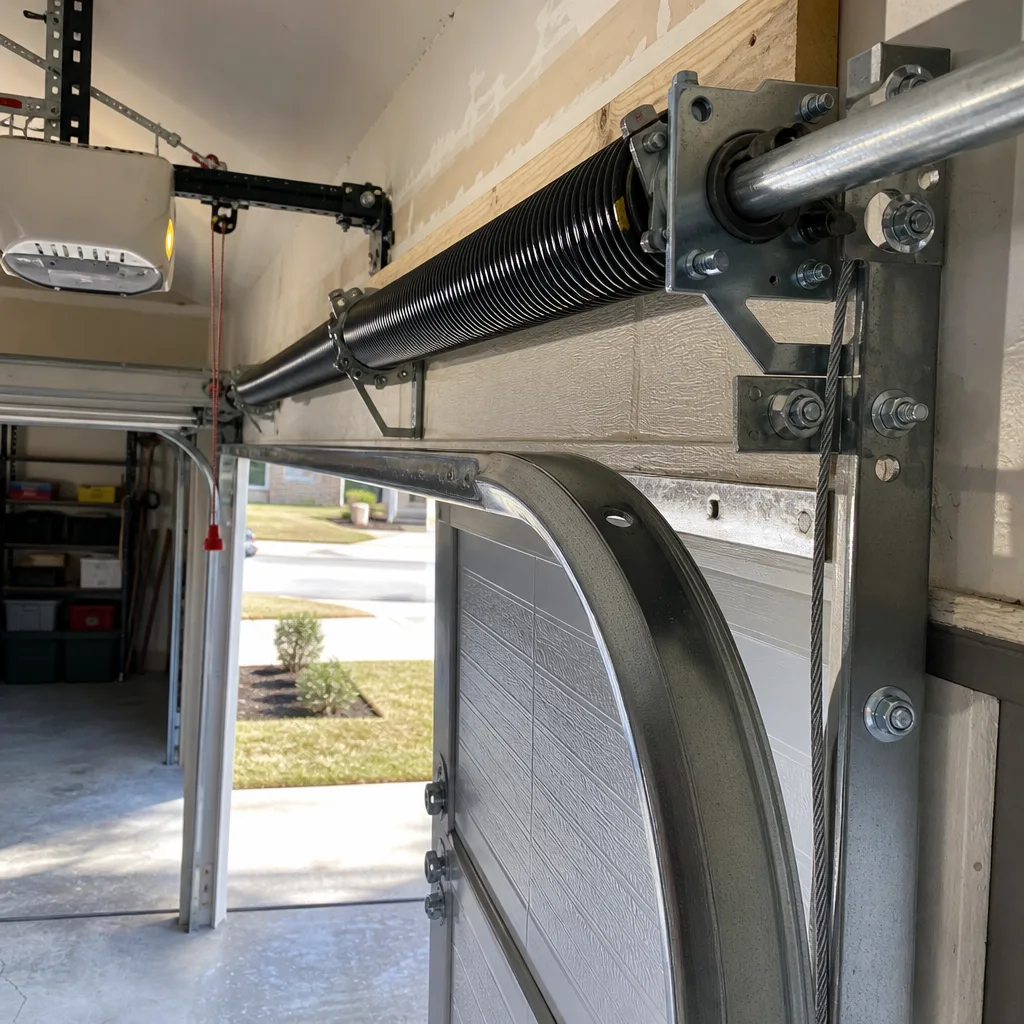 After
AfterGarage Door Permits, Codes & Inspections in TX: What You Need to Know
A garage door replacement that includes structural header work in Fort Bend County requires a building permit - but a like-for-like door swap typically does not. The distinction costs some homeowners their real estate closing when they find out too late. In Rosenberg, we’ve seen sellers scramble to retroactively permit header modifications discovered during inspection, sometimes delaying closings by three weeks and adding $400-$800 in fees. This guide explains exactly where Texas state code, Fort Bend County ordinance, and Rosenberg-area HOA rules draw the line, so you know before the first panel comes off the truck.
Quick Answer
In Texas, a permit is required for garage door work that alters the structural opening, electrical supply, or wind-load rating - but not for a same-size replacement using the existing frame. Fort Bend County enforces this through the Texas Residential Code with local amendments, and Rosenberg subdivisions may add HOA architectural review on top. When in doubt, pull a permit; unpermitted structural work can void insurance claims and block home sales.
Table of Contents
- When Is a Permit Required in Fort Bend County?
- What Work Is Exempt from Permits?
- Wind-Load Ratings and Coastal County Requirements
- HOA Architectural Review in Rosenberg Subdivisions
- The Permit Process: Step by Step
- What a Passed Final Inspection Looks Like
- Unpermitted Work: Risks and Retroactive Fixes
- Permit Costs and Timelines in Rosenberg
When Is a Permit Required in Fort Bend County?
Fort Bend County building officials follow the 2021 International Residential Code with Texas amendments, and their interpretation for garage doors hinges on one question: are you changing the structure or just the equipment?
A permit is required when any of these conditions apply:
- The rough opening width or height changes, which almost always requires new header sizing and structural verification
- The header itself is modified, replaced, or sistered - even if the door dimensions stay the same
- New electrical wiring is run for the opener, outlet, or low-voltage controls beyond a simple plug-in replacement
- The door’s wind-load rating drops below the minimum for the property’s wind zone designation
- A window or pass-through door is cut into the garage door or adjacent wall
- The garage is being converted to living space, triggering residential code compliance for the door as a separation barrier
Here’s where Rosenberg homeowners get tripped up. Many houses in the Garage Door Installation in Rosenberg market were built in the 1990s and early 2000s with 16-foot openings and undersized headers by current standards. When a homeowner wants to upgrade to a heavier insulated door or a wider carriage-style unit, the existing header may not carry the load. In our experience, roughly one in three replacement jobs in the Rosenberg area requires at least a structural evaluation, and about half of those need header work.
The county’s position is clear: if the permit application shows only “door replacement,” the inspector will verify the header in the field. If it’s been touched without a permit, the work fails and must be brought into compliance retroactively. We’ve arrived at jobs where the homeowner had no idea their contractor skipped this step until the for-sale sign went up.
Fort Bend County’s wind zone designation also matters. The county sits in Wind Zone II for residential construction, with some areas near the Brazos River floodplain subject to enhanced requirements. A door rated for 20 PSF wind load installed in a Zone II area requiring 25 PSF is a code violation, even if it fits the opening perfectly. This is not abstract - we’ve replaced doors after Hurricane Harvey where the original installation met the old standard but not the post-2017 amended requirements.
What Work Is Exempt from Permits?
Not every garage door job needs a trip to the county offices. Fort Bend County recognizes several categories of exempt work, and understanding them saves time and money without creating liability.
Permit-exempt garage door work includes:
- Like-for-like door replacement using the existing track, springs, and hardware - same width, same height, same weight class
- Opener replacement or repair where the existing electrical supply (outlet, wiring, breaker) is not modified
- Panel replacement on a sectional door when the replacement panel is OEM or equivalent and does not alter the door’s wind-load certification
- Spring, cable, roller, or weatherseal replacement - routine maintenance and repair
- Remote control or keypad programming
- Cosmetic hardware installation (decorative handles, hinges, windows that are factory-installed and rated)
The key phrase is “like-for-like.” A homeowner in Rosenberg’s Pecan Grove subdivision replacing a 16×7 non-insulated steel door with another 16×7 non-insulated steel door, same track radius, same spring system, needs no permit. Swap that for a 16×7 Clopay Canyon Ridge composite door with a heavier bottom section and wider stiles, and the weight difference may require spring recalculation. The springs themselves don’t need a permit, but if the new door’s weight reveals that the header has sagged or the jambs are out of plumb, structural correction triggers the permit requirement.
We always measure the opening squareness and header deflection before quoting a replacement in Rosenberg. It’s a five-minute check that prevents permit surprises. Our Garage Door Repair in Rosenberg team carries a laser level and straightedge for exactly this reason.
One more exemption that catches people: battery-backup opener installation. California requires these; Texas does not. But if you’re adding a battery backup to an existing opener in Fort Bend County, and you’re not modifying the electrical supply, no permit is needed. The unit simply plugs into the existing outlet and the motor head.
Wind-Load Ratings and Coastal County Requirements
Texas adopted enhanced wind-load provisions after the 2017 hurricane season, and Fort Bend County amended its residential code accordingly. For garage doors, this means the installed assembly - door, track, hardware, and fasteners - must meet or exceed the design pressure for the specific address.
Design pressure is measured in pounds per square foot (PSF) and varies by:
- Wind zone (Rosenberg is primarily Zone II, with localized Zone III near watercourses)
- Exposure category (open terrain vs. suburban with shielding)
- Building height and door location (windward wall vs. leeward)
For a typical single-story home in Rosenberg’s residential neighborhoods, the minimum design pressure for a garage door is 20 PSF. Two-story homes or corner lots with full exposure may require 25 PSF. Homes in the Brazos River corridor or with large open fetch across agricultural land can see 30 PSF requirements.
The door manufacturer’s label is what the inspector checks. It must show:
- The design pressure rating in PSF
- The wind zone for which the door is rated
- The installation instruction reference (ASTM E330 or equivalent test standard)
- A warning label if the door requires specific track or fastener configurations to achieve the rated pressure
We’ve seen homeowners in Rosenberg’s Tavener area purchase high-end Amarr or Wayne Dalton doors online at a discount, only to discover the unit is rated for inland Zone I and cannot be legally installed in Fort Bend County. The county inspector will red-tag the installation, and the door must come out. The savings evaporate, plus there’s the cost of removal, disposal, and reinstallation of a compliant unit.
Our approach at Mainspring Garage Door Co. home is to verify the wind-load rating before we quote. We carry Clopay and Amarr doors with Fort Bend County-appropriate certifications, and our installation crews use the specified fasteners and track anchoring patterns. The 90-Day Done Right Promise covers this - if a door fails inspection for wind-load compliance, we replace it at our expense.
HOA Architectural Review in Rosenberg Subdivisions
Fort Bend County code and HOA covenants operate on separate tracks, and the stricter rule wins. In Rosenberg, most subdivisions built after 1990 have architectural control committees with garage door specifications that exceed county requirements.
Common HOA requirements we encounter in Rosenberg include:
- Color restrictions - often limited to a palette of earth tones, with white, beige, and specific gray shades pre-approved; bold colors or wood-grain finishes may require committee vote
- Style mandates - some neighborhoods require carriage-house or recessed-panel designs; flush or ribbed commercial-style doors are prohibited
- Window configuration limits - maximum glass area, prohibited clear or tinted glass (frosted or obscure only), and placement rules to prevent direct sightlines into neighboring yards
- Material specifications - steel or composite required; some HOAs prohibit vinyl or aluminum for aesthetic consistency
- Installation timing - work must be completed within 30 days of approval, with penalties for delays
The governing documents determine which authority prevails in a conflict. If the HOA requires a 25 PSF door and the county requires 20 PSF, the HOA standard applies. If the county requires impact-rated hardware and the HOA is silent on hardware, the county standard applies. The homeowner must satisfy both.
We’ve handled jobs in Rosenberg’s Canyon Gate at Brazos, Lakes of Rosenberg, and other communities where the HOA approval process took longer than the county permit. One Canyon Gate homeowner faced a $200 fine for starting work three days before the architectural committee’s formal approval letter arrived - even though the county permit was in hand. The lesson: start with the HOA, not the county, in deed-restricted neighborhoods.
Some HOAs also require proof of contractor insurance and licensing, which is where working with an established shop matters. Mainspring carries the documentation Canyon Gate and similar communities require, and we’ve learned their submission formats well enough to avoid the back-and-forth that delays projects.
The Permit Process: Step by Step
For Rosenberg homeowners who need a permit, the process runs through Fort Bend County Community Development. Here’s how it works in practice:
- Determine jurisdiction. Unincorporated Fort Bend County uses the county offices. If your address is within Rosenberg city limits, the City of Rosenberg Building Department handles permits. Most Rosenberg addresses are city jurisdiction, but pockets near the county line - especially around FM 723 and FM 762 - may be county. Check your property tax statement or call the appropriate office with your address.
- Prepare drawings and specifications. For a garage door permit, you’ll need a site plan showing the door location, a framing plan if the header or jambs are modified, the door manufacturer’s cut sheet with wind-load rating, and a description of electrical work if any. A licensed contractor typically prepares these; Mainspring includes permit documentation in our installation quotes when structural work is involved.
- Submit the application. City of Rosenberg permits can be submitted online through the city’s permit portal or in person at City Hall. Fort Bend County uses a different system. Fees vary by valuation of the work - typically $75-$150 for garage door alterations.
- Plan review. Staff reviews structural calculations and code compliance. Simple door replacements with header work usually take 3-5 business days. Complex jobs or those in flood zones may take 10-14 days.
- Receive permit and schedule work. The permit must be posted on-site before work begins. In Rosenberg, the city requires the permit card visible from the street.
- Schedule inspections. Typical inspections for permitted garage door work include: rough framing (if structural), electrical rough (if wiring modified), and final. Each requires 24-hour notice, and the work must be accessible - insulation and finish materials cannot cover the inspection points.
- Pass final and receive certificate of completion. This document is what title companies request for real estate transactions. Keep it with your home records permanently.
One detail competitors miss: Fort Bend County and the City of Rosenberg both require the installer to be present for the final inspection, not just the homeowner. We’ve had to reschedule inspections when a DIY homeowner or out-of-town contractor left town before the inspector arrived, adding a week to the project. Our crews stay until final is passed.
What a Passed Final Inspection Looks Like
A passed final inspection in Fort Bend County records is not a vague approval - it’s a specific set of documented conditions that become part of the property’s permanent file. Understanding what this looks like helps homeowners verify their own status and protects buyers during due diligence.
The final inspection record for garage door work in Rosenberg typically includes:
- Permit number and issue date, linked to the property’s parcel ID
- Inspector name and signature, with date of final inspection
- Confirmation that the installed door matches the approved manufacturer and model number
- Verification that the wind-load label is present and legible
- Structural sign-off if header or framing was modified, often with a photo of the header in the record
- Electrical sign-off if wiring was modified, including GFCI protection verification for new outlets
- A “completed” or “approved” status in the online permit database
Homeowners can verify their permit status through the City of Rosenberg’s online permit lookup or Fort Bend County’s property records portal. For real estate transactions, title companies typically request a permit history report, which pulls all permits on the property for the past 20 years.
Here’s where the “like-for-like” exemption creates confusion. A permit-exempt replacement leaves no record. That’s fine until a home inspector or title company asks for documentation of a door that clearly isn’t original to the house. In these cases, we provide a dated installation invoice with door specifications, which serves as informal proof of professional installation. It’s not a permit, but it answers the question of who did the work and when.
For permitted work, we always email the homeowner the final inspection approval within 48 hours. Our records go back to 1984, so even if a Rosenberg homeowner loses their paperwork, we can reproduce the documentation. That’s part of being there when it matters - a promise we’ve kept for over 42 years.
Unpermitted Work: Risks and Retroactive Fixes
Unpermitted garage door work in Fort Bend County creates three categories of risk: safety, financial, and transactional. We’ve encountered all three in Rosenberg, and the retroactive fix is always more expensive than doing it right the first time.
Safety risk. Headers sized for a lightweight uninsulated door may fail under a heavier replacement, especially after years of Texas humidity cycling - one of several Garage Door Warning Signs: A Rosenberg Homeowner’s Reference Guide we encounter in the field. We’ve seen sagging headers in Rosenberg’s older homes near downtown, where 2×10 headers span 16 feet with no engineering. The door binds, the opener strains, and eventually something breaks - sometimes the header itself, sometimes the track pull-out from the jamb.
Financial risk. Homeowner’s insurance policies typically exclude damage from unpermitted structural modifications. If a header fails and damages vehicles or injures someone, the insurer may deny the claim. We’ve reviewed policies for Rosenberg homeowners where this exclusion is explicit.
Transactional risk. This is the most common call we get. A homeowner in Rosenberg lists their house, the buyer’s inspector notes the garage door header looks newer than the surrounding framing, and the title company requests permit documentation. None exists. The closing stalls.
The retroactive process in Fort Bend County:
- Submit a retroactive permit application, which carries a penalty fee - typically 150-200% of the original permit fee
- Expose the work for inspection, which may require removing drywall, trim, or even the door itself
- If the work meets code, the inspector passes it and the permit is closed
- If the work fails - wrong header size, improper fasteners, no wind-load label - corrections are required and re-inspected
We’ve managed retroactive permits for Rosenberg homeowners where the original contractor was long gone. The process took three weeks and cost $1,200 in fees, repairs, and re-inspections. The original “savings” from hiring an unpermitted installer were erased several times over.
Our recommendation: if you’re buying a home in Rosenberg, check the permit history for garage door work. If you’re selling and know work was done without permits, address it before listing. And if you’re planning work now, pull the permit or confirm it’s exempt. The flat price we quote includes permit handling when needed - no surprises on the bill.
Permit Costs and Timelines in Rosenberg
Permit costs for garage door work in the Rosenberg area are modest compared to the consequences of skipping them, but they vary by jurisdiction and scope.
| Permit Type | Jurisdiction | Fee Range | Timeline |
|---|---|---|---|
| Door replacement (structural) | City of Rosenberg | $85-$140 | 3-5 days review + inspection scheduling |
| Door replacement (structural) | Fort Bend County | $75-$125 | 5-10 days review + inspection scheduling |
| Electrical only (opener circuit) | City of Rosenberg | $50-$75 | 1-2 days review |
| Retroactive permit | Either | $150-$280 (with penalty) | 10-20 days, plus correction time |
| HOA architectural review | Varies by subdivision | $0-$100 | 7-30 days, typically 14 days |
These fees do not include contractor charges for permit preparation, which typically run $150-$300 for the documentation and coordination time. At Mainspring, we include permit handling in our installation quotes when structural work is identified - it’s part of the square deal, stated upfront before any work begins.
Timeline considerations for Rosenberg homeowners: plan 2-3 weeks from permit application to final inspection for jobs requiring structural review. HOA approval, if required, should run in parallel, not in sequence. We’ve seen homeowners lose their preferred installation window because they waited for HOA approval before applying for the permit.
Seasonal factors matter too. Fort Bend County and Rosenberg building departments see permit volume spike in March-May and September-November. An extra week of buffer prevents weather-related delays from cascading into permit delays. Our Garage Door Opener in Rosenberg installation calendar accounts for this - we don’t promise dates we can’t keep.
Common Mistakes to Avoid
- Assuming “replacement” means “no permit” without checking the header. The header is the structural element that determines permit need, not the door itself. Measure deflection before ordering.
- Buying a discounted door online without verifying wind-load rating for Fort Bend County. Zone I doors are cheaper but cannot pass inspection here. The savings disappear when the door must be removed.
- Starting HOA approval and permit applications in sequence rather than parallel. Both take time, and either can delay the other. Submit simultaneously to protect your schedule.
- Hiring a contractor who says “permits aren’t needed for garage doors.” This is sometimes true, sometimes false, and always the homeowner’s liability if wrong. A qualified contractor knows the difference and documents it.
- Discarding installation paperwork because “it was just a repair.” Permit-exempt work leaves no public record. Your invoice is the only proof of professional installation if questions arise later.
- Ignoring the electrical inspection for hardwired opener installation. A new dedicated circuit requires electrical permit and inspection separate from the door permit. Two permits, two inspections, both required.
- Waiting until listing to discover unpermitted work. The retroactive process is slower and more expensive. Check your permit history before you plan to sell, not after the inspection.
When to Call a Professional
Call a qualified garage door contractor when your project involves structural evaluation, permit requirements, or any work that affects the door’s safety systems - our How to Hire a Garage Door Contractor in Rosenberg: A Step-by-Step Guide can help you evaluate qualifications. Header sizing, spring tension, and wind-load anchoring are not DIY projects - the forces involved can cause serious injury or death if mishandled.
Specifically, contact a professional if: you’re changing door size or weight class; the header shows sag, cracks, or water damage; you need electrical work for opener installation; your HOA has design requirements you need to satisfy; or you’re preparing to sell and need to verify permit status. Mainspring Garage Door Co. offers free estimates in Rosenberg - call (281) 315-3920. We’ll assess the opening, identify permit needs, and quote the full job including documentation, with the price stated before any work begins.
Frequently Asked Questions
A like-for-like replacement using the existing frame and header typically does not require a permit in Rosenberg; for more guides & resources on garage door projects, see our blog. If you’re changing the opening size, modifying the header, or altering the electrical supply, a permit is required. Call us at (281) 315-3920 and we’ll tell you which category applies to your job - estimates are free.
Permit fees for garage door structural work range from $75-$140 depending on jurisdiction and project valuation. Retroactive permits with penalties run $150-$280. These figures do not include contractor documentation fees or correction costs if the work fails inspection.
Texas allows homeowner-permitted work on your own residence, but Fort Bend County and Rosenberg require the permit holder to be present for all inspections and personally perform or directly supervise the work. Given the safety risks of spring and header work, most homeowners find professional installation the practical choice. We handle permits as part of our installation service when needed.
Most single-story homes in Rosenberg require a minimum 20 PSF design pressure rating, with two-story or exposed locations requiring 25 PSF or higher. The exact requirement depends on your specific address, building height, and exposure. We verify this before quoting any door installation.
Experienced inspectors look for signs of non-original work: newer framing, mismatched materials, missing wind-load labels, or door models inconsistent with the home’s age. If they flag it, the title company may require permit documentation. Without it, the sale can stall until the issue is resolved.
City of Rosenberg permits typically take 3-5 business days for plan review, plus inspection scheduling time. Fort Bend County unincorporated areas may take 5-10 days. HOA architectural review adds 7-30 days depending on the subdivision. We recommend starting both processes simultaneously and adding two weeks of buffer during peak seasons.
The inspector issues a correction notice with specific deficiencies. The contractor makes corrections and schedules re-inspection, typically at no additional fee if completed within the correction period. Repeated failures or uncorrected items can result in permit expiration and requirement to restart the process. Our 90-Day Done Right Promise covers any inspection-related corrections at no charge.
The Bottom Line
Garage door permits in Texas are not about bureaucracy - they’re about structural safety, wind resistance, and protecting your home’s value. In Rosenberg and Fort Bend County, the line between permit-required and exempt work runs through the header and the wind-load label, not the door itself. Get this right, and your installation proceeds smoothly. Get it wrong, and the cost compounds in fees, delays, and lost transactions. The framework is straightforward once you know it: like-for-like replacements are typically exempt; structural, electrical, or wind-load changes require permits; and HOA rules layer on top of county code. Document everything, verify ratings before purchase, and work with a contractor who knows the local requirements by experience.
Written by Carl Dutton, Owner at Mainspring Garage Door Co., serving Rosenberg since 2016.